The journey to the digital world that we live in today is an interesting evolution. It all started from ancient symbols, to telegraphy and to the birth of the internet.
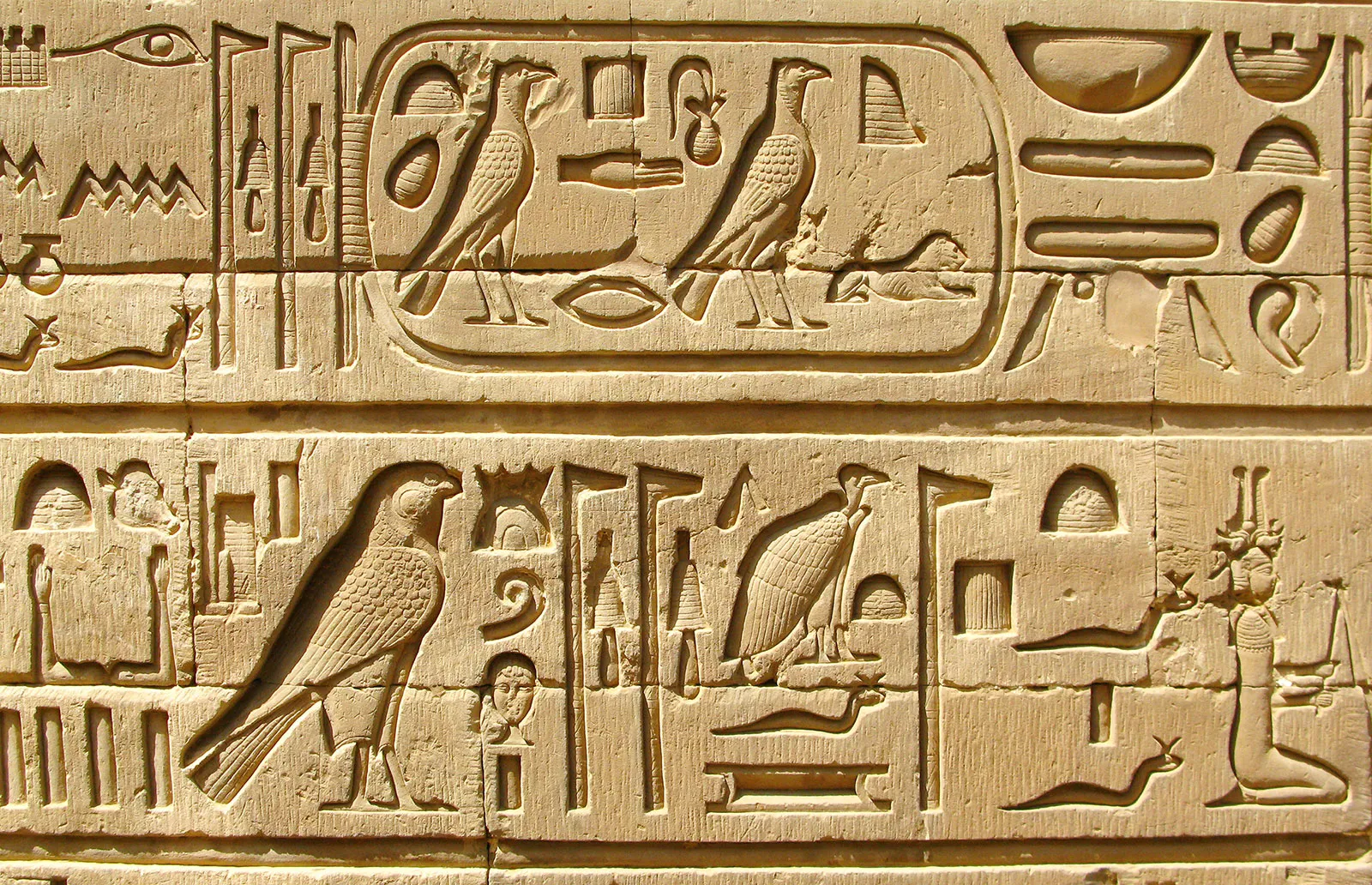
The first form of early communication started with Hieroglyphs. This was a early writing system, with visual symbols to represent ideas. Hieroglyphs earth symbols represented a word or an object and there could be an infinite amount of Hieroglyphs.
There was also weaving and the silk industry. Weaving was from the Jacquard Loom between 1752 and 1834, created by Joseph Marie Jacquard and used punch cards to automate weaving patterns, reducing manual labor. The silk industry was a major hub with 1/3 of the city’s inhabitants engaged in this industry. The demand for fabric patterns led to technological innovations later on.
Next was the birth of the telegraph and morse code. The telegraph was created by Samuel Morse and others in the 1830s. The early telegraph used one wire for each letter of the alphabet making the wire the most expensive part of it. Allesandro Volta also then created the Voltaic Pile in the 1800s which was an early battery and William Sturgeon invented the electromagnet. The electromagnet pulled the receiver whenever an electric pulse passed, which then created a sound to understand what was coming through the telegraph. Morse code was a system of dots and dashes encoding messages. This was one of the first widely adopted digital communication systems and was known as the ‘crux of the world’ due to its global impact.
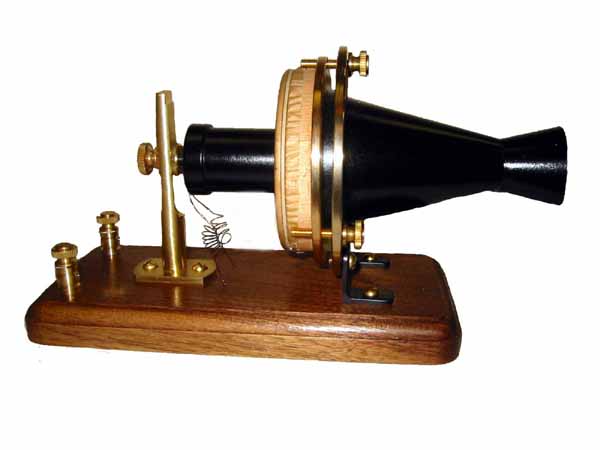
Then there was the birth of the Telephone by Alexander Graham Bell. The telephone worked by a pressure wave that traveled through some sort of median. This had laid a foundation for future digital networks and ways of creating a better telephone. It allowed for communication without sending a letter or being near others, which benefited the work force incredibly well.
From Hieroglyphs to Morse Code, and the telephone, each milestone had contributed to todays digital world. Each creater of each device had laid the foundation for our digital world.